


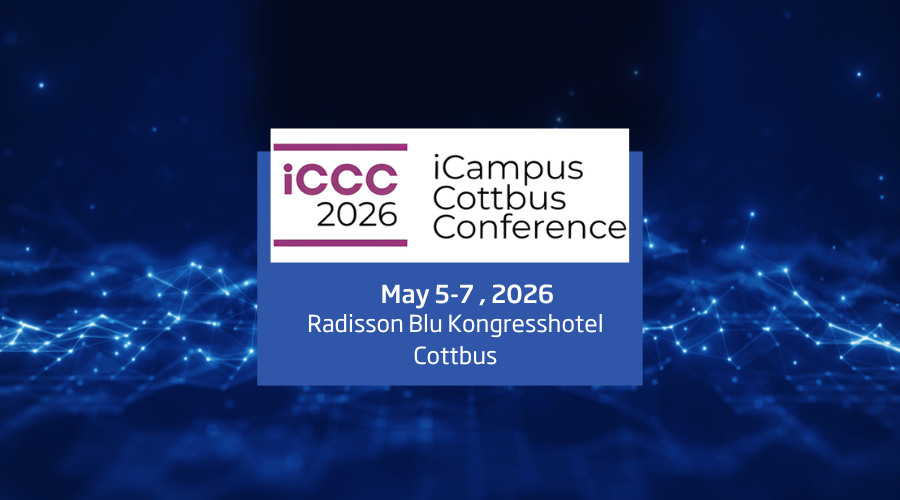
The iCCC is the meeting place for innovation and future technologies. Every two years, this technology transfer conference brings together leading minds from science and industry. It is organized by the BMFTR-funded structural transformation project iCampus Cottbus.
The focus is on the game changers of structural transformation: sensors, MEMS, digitalization, and artificial intelligence.
The goal is clear: speed up technology transfer, build new partnerships, and develop solutions together for tomorrow’s challenges.
What to expect:
- Inspiring keynotes and expert talks
- In-depth exchange with experts and decision-makers
- Practical solutions for applications such as machine monitoring, energy technology, environmental analysis, mobility, communication, healthcare, and process technologies
Visit Gantner Instruments at our booth and discover how our measurement technology enables innovation.
We look forward to inspiring discussions and new ideas.
More articles
Experience a New Level of Possibilities With Our New Website!
We are thrilled to announce the launch of the new Gantner Instrumentswebsite and introduce you to a few of its features.Here’s a sneak peek of what you can expect to […]
Read more...End-of-Line Testing of Preh’s Battery Management Systems
End-of-line testing for high-voltage Battery Management Systems (BMS) is critical to ensuring performance, safety, and longevity, both for the systems themselves and the vehicles they power. As battery technologies advance, BMS testing grows increasingly complex. Discover how Preh uses Gantner Instruments' high-voltage data acquisition technology for end-of-line testing, specifically designed to meet the demands of e-mobility.
Read more...Real-world High-Power EIS Measurements – Free Webinar
Gantner Instruments invites experts and decision-makers from manufacturing companies and asset management to our focused webinar on “Real-world High-Power EIS Measurements.”
Read more...Mercedes GLC 350e plug-in hybrid – Photo Session in Schruns
Daimler used our company building in Schruns as the backdrop for the photo shoot for this year’s world premiere of the Mercedes-Benz GLC 350e plug-in hybrid.
Read more...