


Turnkey Measurement Systems
Complete measurement systems and Data Acquisition (DAQ) Cabinets for demanding test, monitoring and industrial data acquisition projects.
From sensor selection to data acquisition. From cabinet to controller. From field data to dashboard. Gantner Instruments helps you turn a measurement task into one integrated system architecture.
Typical applications
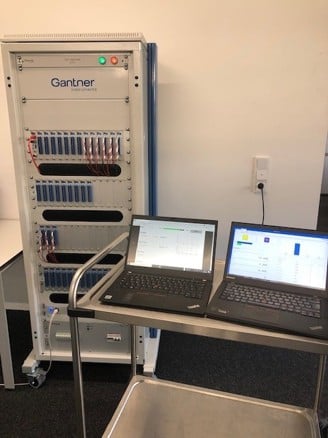
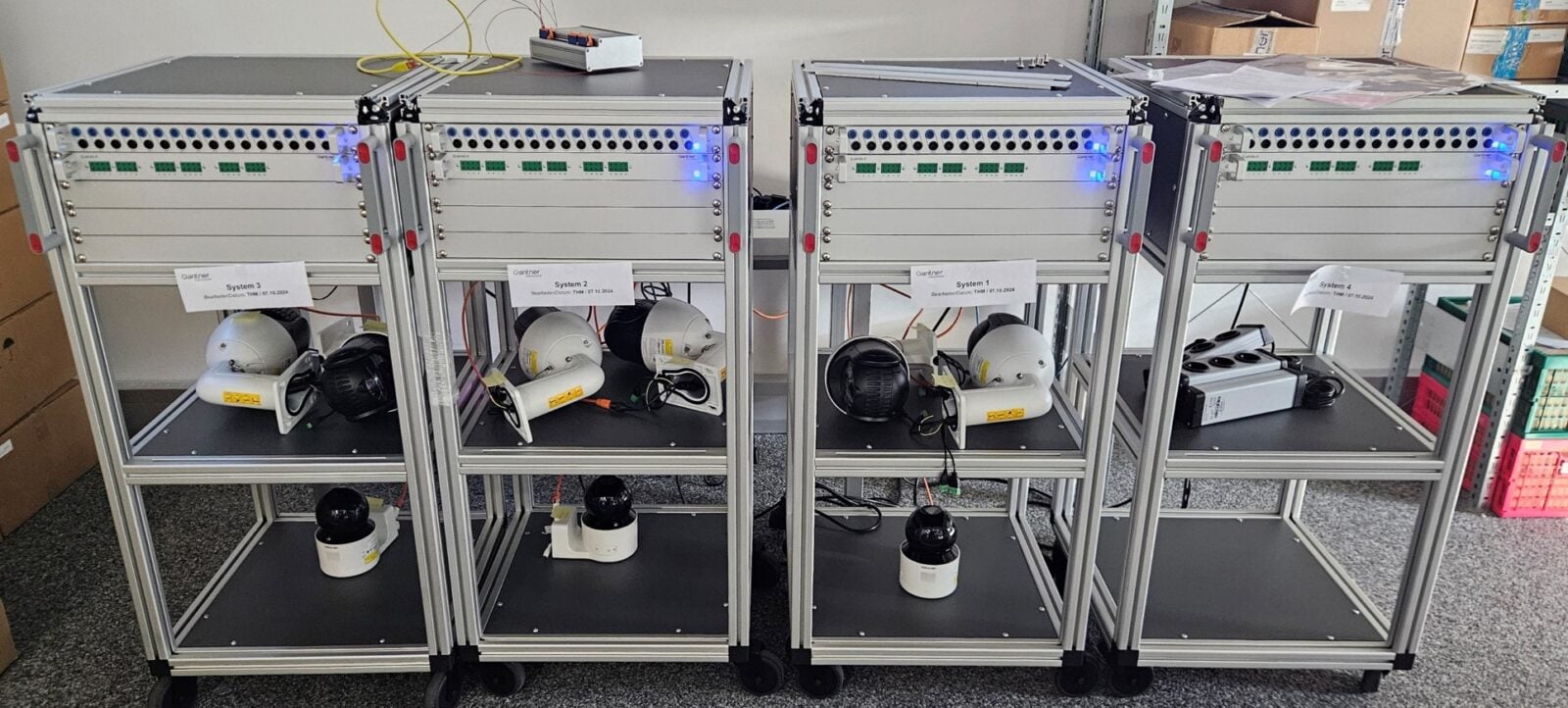
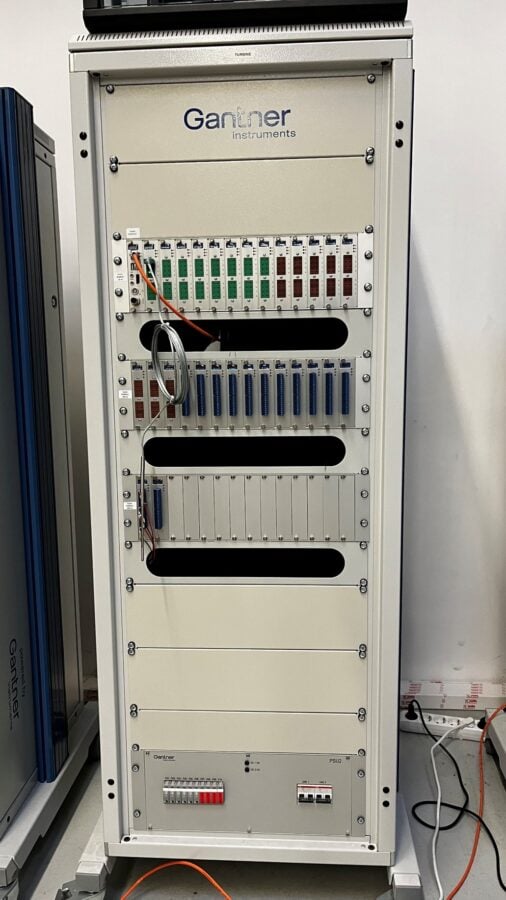
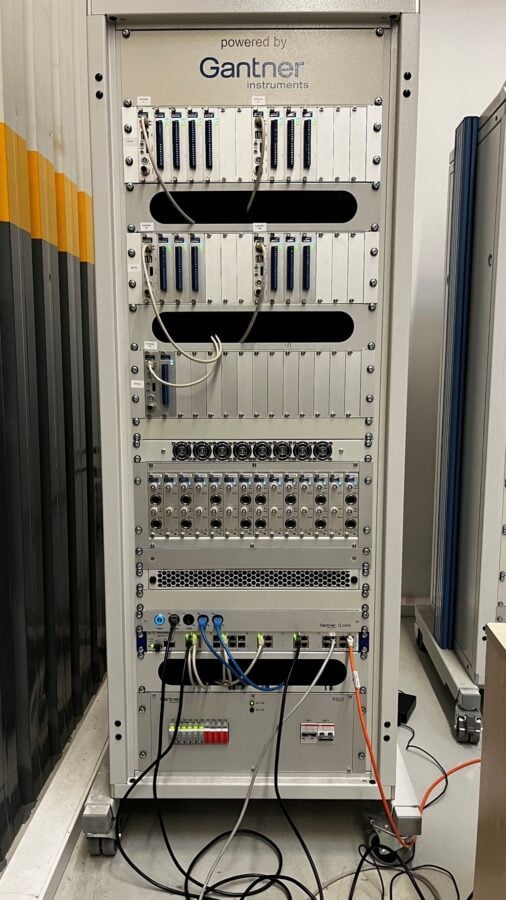
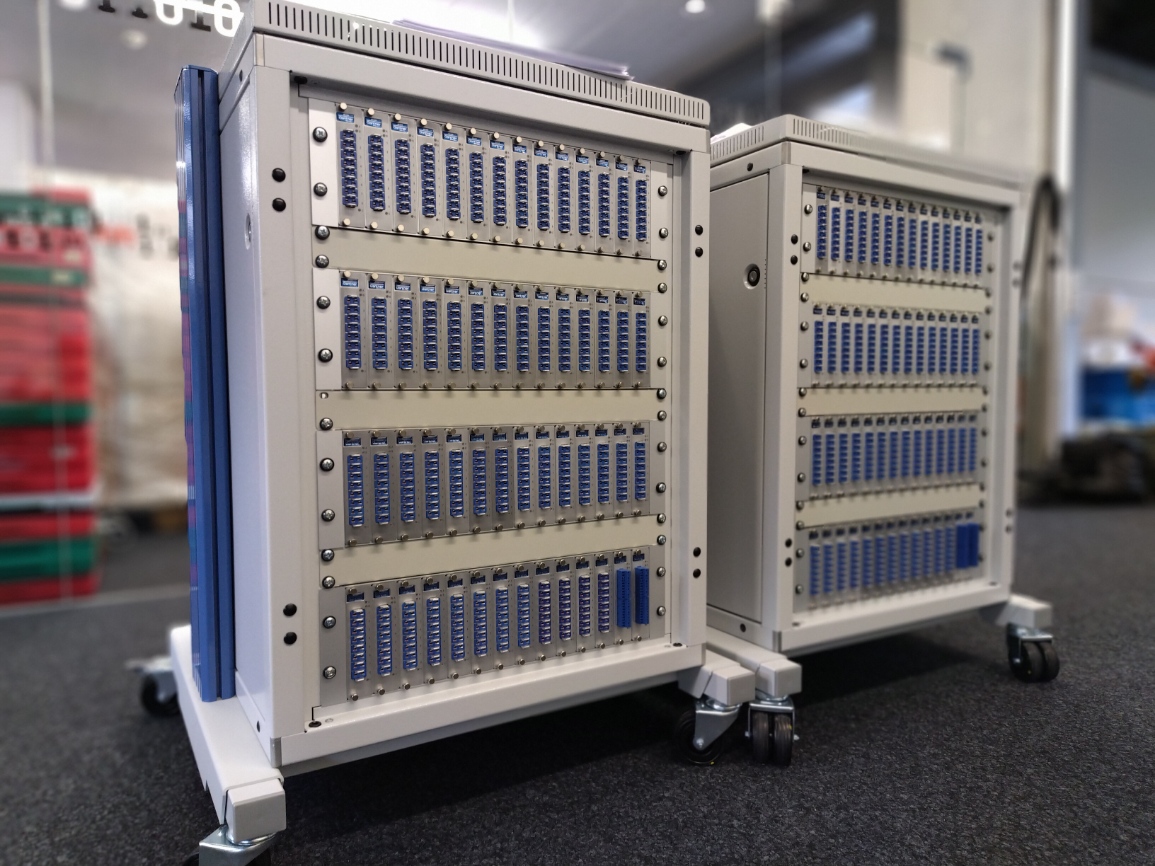
Test stations and trolleys
Complete DAQ systems for test environments with many signal types and software interfaces.
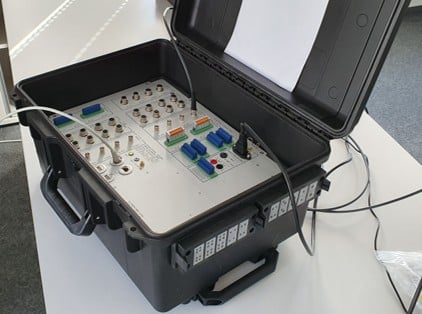
Interface boxes / breakout boxes
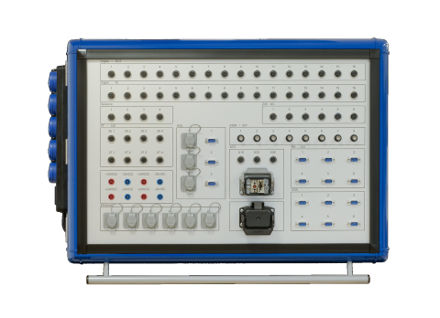
Custom connection boxes for industrial use, component testing and clean signal access.
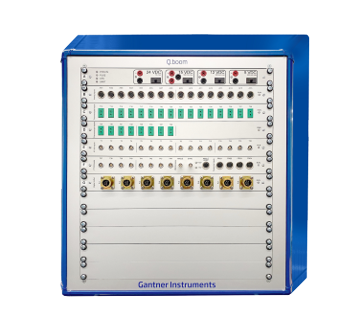
Desktop systems
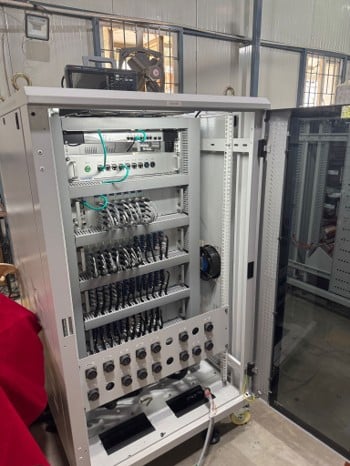
Compact systems for lab and industrial testing.
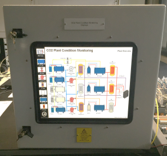
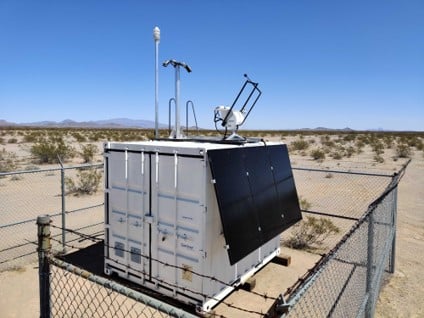
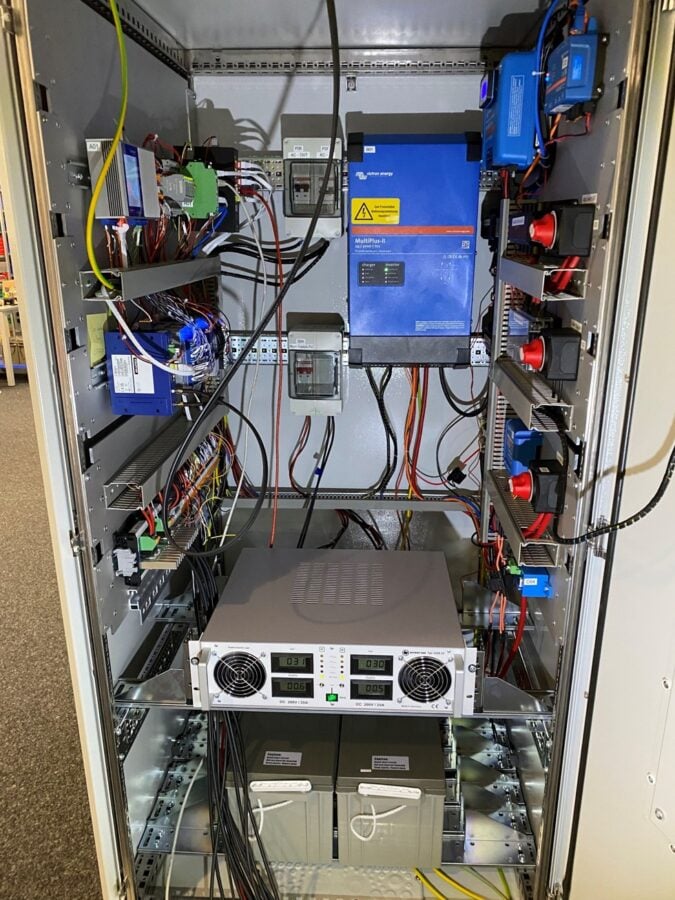
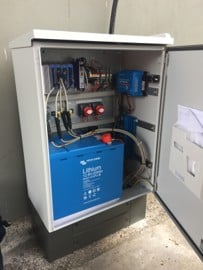
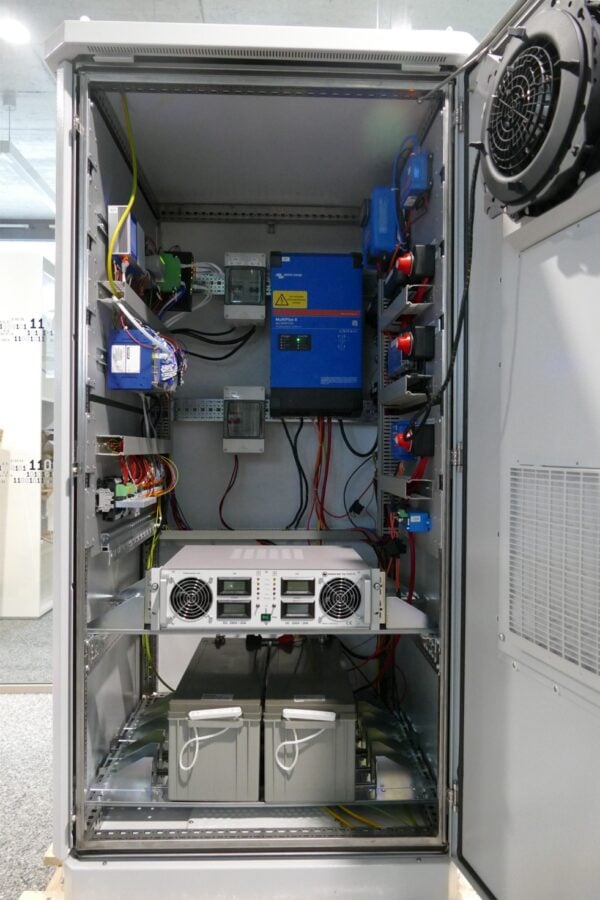
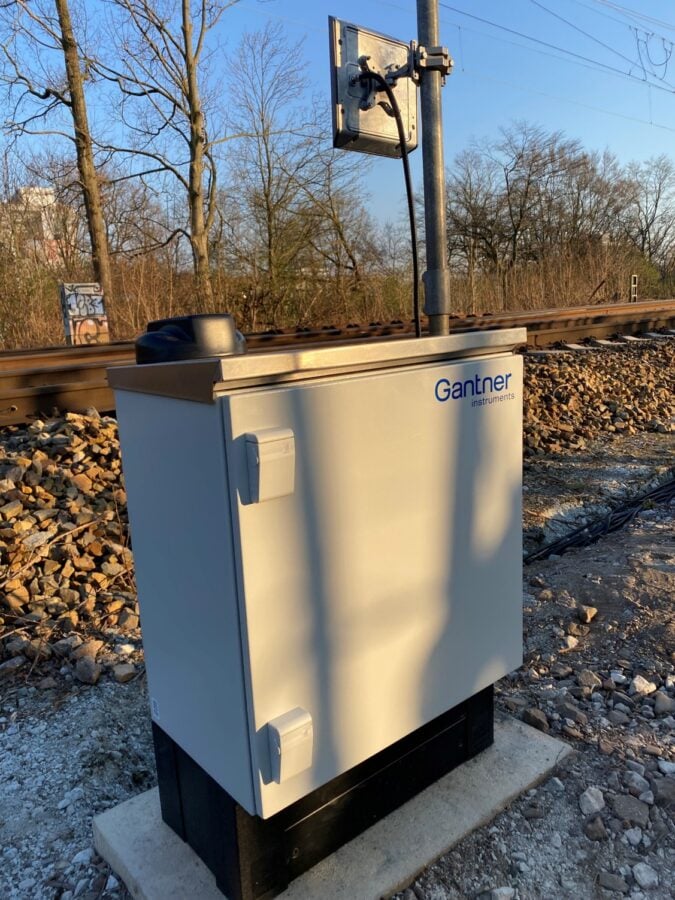
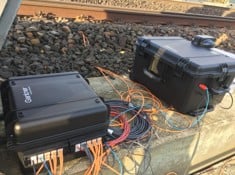
Outdoor DAQ cabinets
Distributed measurement systems for field installations, remote access, offgrid operation.
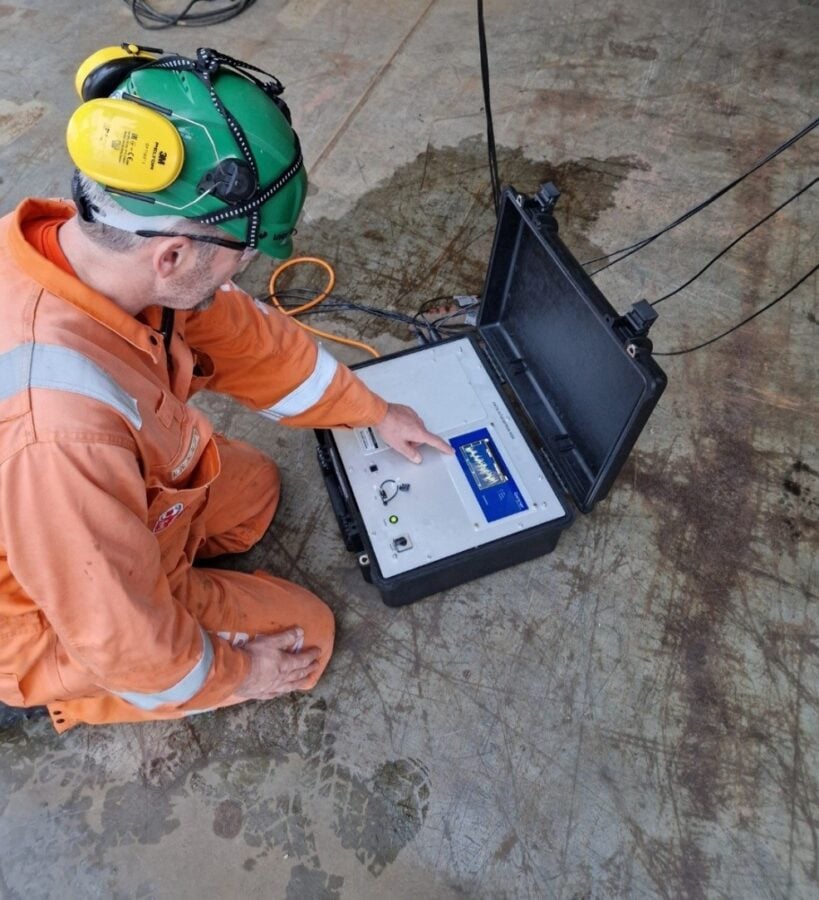
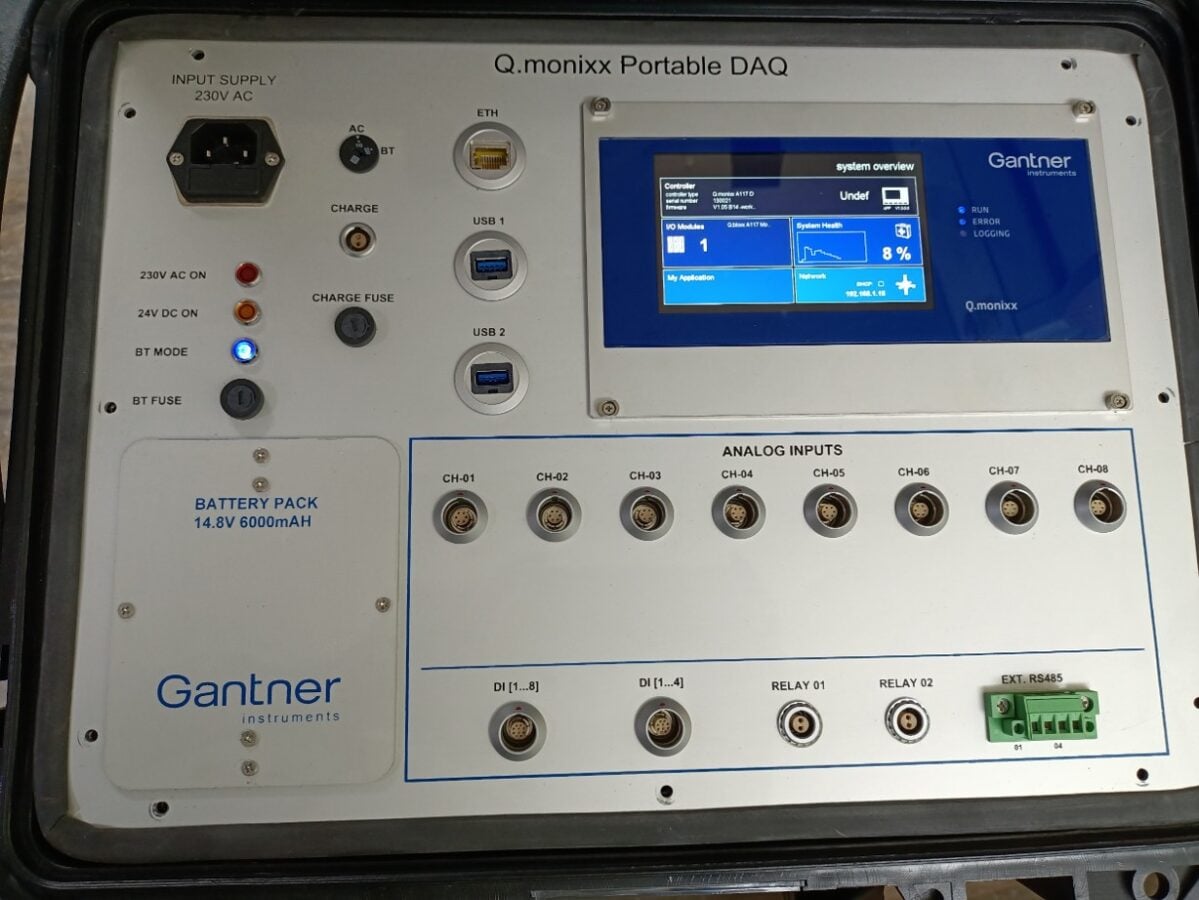
Portable solutions
Custom connectors, mobile form factors and battery powered configurations.
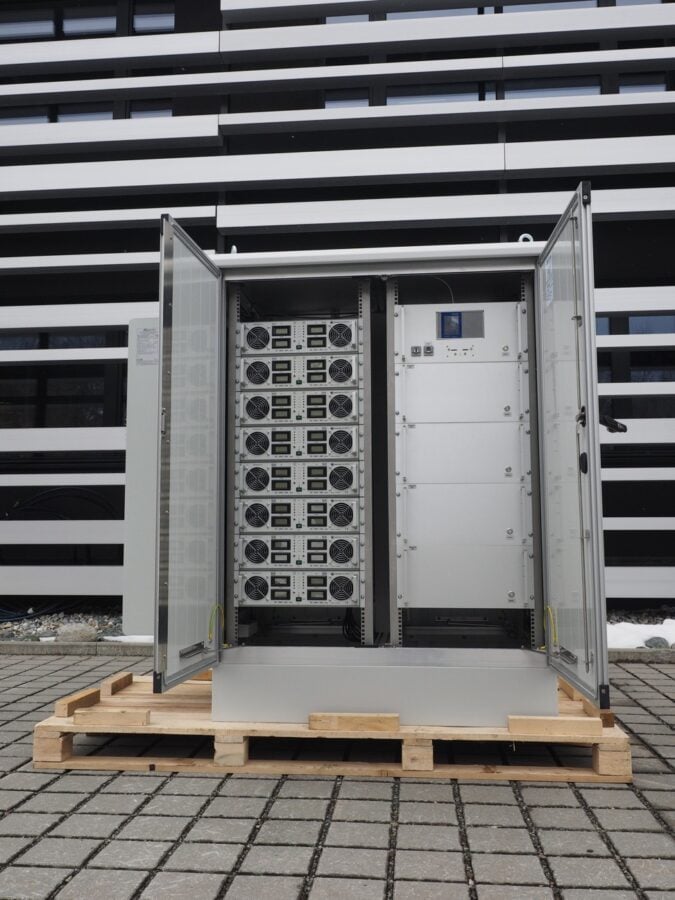
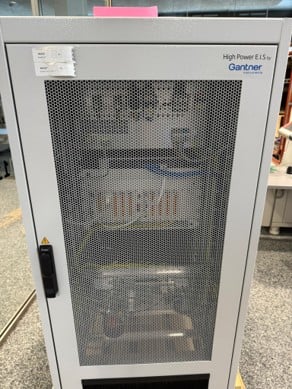
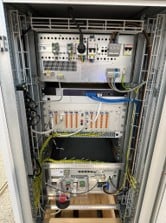
High power cabinets
Systems with integrated power source, hardware, software and safety functions.
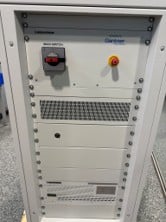
Integration risk starts between the components
A measurement system is more than data acquisition (DAQ) hardware. The highest project risk often appears between the components: sensor concept, wiring, cabinet layout, power supply, controller, software, communication, data access and commissioning.
Gantner Instruments helps align these parts early so the DAQ system can deliver reliable data in a complete measurement architecture.
-
Too many interfaces
Sensors, DAQ, cabinets, software, cameras and cloud systems must work together. Every interface adds risk.
-
Wrong sensor concept
The wrong sensor choice can reduce data quality before the DAQ system even starts measuring.
-
Complex wiring
Sensor wiring, power supply, protection, communication and cabinet layout must be planned together.
-
Missing time alignment
Measurement data, controller data and optional video data must be synchronized for reliable analysis.
-
Difficult field operation
Outdoor and remote systems need stable power, communication and local data storage.
-
Late commissioning issues
Integration problems often appear during installation or startup. Then they are expensive to fix.
-
Disconnected data
Data is available, but not structured, visualized or accessible for the right users.
-
Scaling problems
A prototype can work. A repeatable system needs documentation, architecture and consistent configuration.
Customized measurement systems built around your application
No two measurement projects are the same. Signals, sensors, environments, interfaces and data requirements differ from project to project.
Gantner Instruments helps you define a measurement system that fits your specific application. The solution can include application specific measurement cabinets, sensor selection, DAQ hardware, signal conditioning, power supply, communication, software, edge processing and cloud connectivity.
Many industrial teams are expected to deliver more connected test, monitoring and data acquisition systems with limited internal engineering resources for integration, cabinet design, software setup and commissioning.
Gantner Instruments offers these services because we know how to align sensors, data acquisition hardware, cabinets, controllers, software and data access into one architecture that maximizes project value.
We align the complete measurement chain early in the project. The cabinet is treated as part of the system architecture from the start, so sensors, data acquisition, controller, software and data access work together as one system.
Remote configuration can be included when the project requires defined access to setup, status and data handling.
System Explorer
Click the cabinet details to see what can be customized.
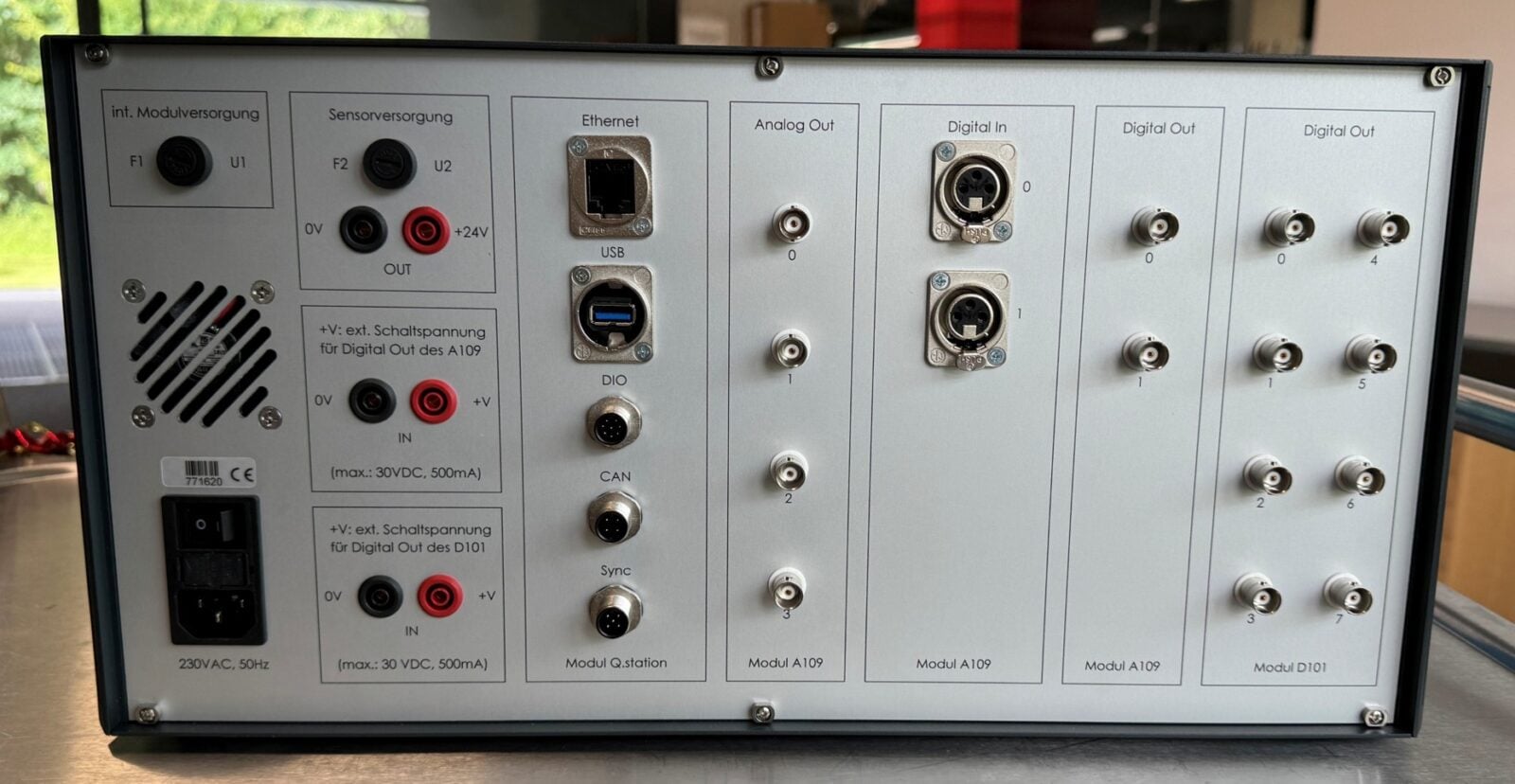
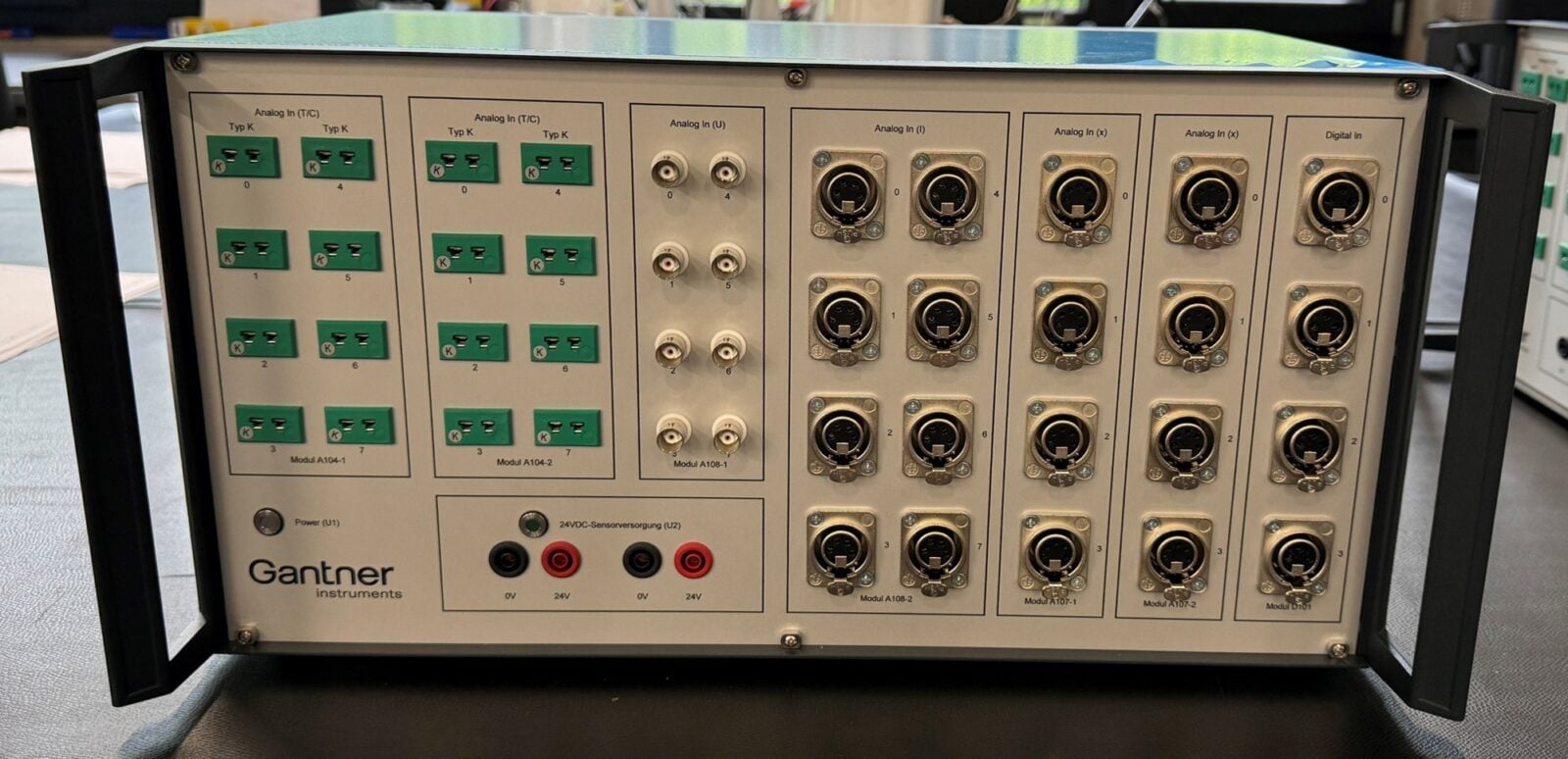
Project specific connectors can reduce wiring effort and make the system easier to install, service and scale.
Supports fast field wiring and cleaner cabinet layouts.
Add an industrial display with a project specific user interface for local status, setup, diagnostics or test bench operation.
Makes the system usable without opening software on a separate PC.
The system can be designed as a mobile trolley cabinet, fixed cabinet, rack solution or application specific measurement cabinet.
Fits test benches, labs, field systems and repeatable installations.
DAQ hardware, power supply, cooling, wiring, protection and communication are planned as one system.
Reduces integration risk and supports stable operation.
Use one system architecture for a first prototype, then standardize the design for repeatable builds and larger quantities.
Important for OEMs, multiple test benches and distributed monitoring systems.
High voltage modules support demanding battery, inverter, power electronics and energy applications.
Supports systems where galvanic isolation and high voltage measurement are project critical.
Measurement data can be visualized, exported and connected to third party applications through software, APIs and industrial interfaces.
Supports MATLAB, LabVIEW, Python, browser based access and automation environments.
Combine DAQ modules, controllers and edge processing into a scalable architecture for synchronized measurement data.
Useful when channel count, sampling rates or distributed systems grow.

What makes the difference: Key cabinet details
A turnkey measurement system is not only about components. It is about reducing integration risk, improving data quality, simplifying installation and making the system easier to operate and scale.
Customized connectors
Reduces wiring effort and simplifies field installation.

Industrial display and UI
Gives operators local access to status, setup and diagnostics.

Cabinet design
Fits the installation concept, from mobile trolley to fixed cabinet.

Industrial grade design
Supports stable operation in demanding environments.

High voltage readiness
Enables integration into battery, inverter and energy test systems.

±1500 VDC
Open software integration
Connects measurement data to existing tools and workflows.

Edge and cloud architecture
Supports local processing, remote access and scalable data handling.

Prototype to series production
Turns a first system into a repeatable architecture.

What the solution can include
Integration engineering: We support interface planning, channel configuration, data flow, documentation and commissioning preparation.
Start with the cabinet and system architecture. Then combine the required building blocks into one project specific measurement system.
Sensor selection
Reliable measurement starts with the right sensor concept.
Sensor choice, signal conditioning, sampling rate, synchronization and data handling must fit together.
Gantner supports you in selecting suitable sensor types and aligning them with the complete DAQ architecture.
Vibration sensors
Dynamic behavior, vibration, impact events and condition monitoring.
-
Vibration sensors
Weather stations
Irradiance, temperature, wind and humidity.
-
Weather stations
Temperature sensors
Thermal behavior, environmental influence and system condition monitoring.
-
Temperature sensors
Current transducers
Electrical current measurement in energy, test bench and power applications.
-
Current transducers
Strain and displacement
Deformation, movement, deflection and mechanical stress.
-
Strain and displacement
IP cameras
Visual context for test, monitoring and field measurement applications.
-
IP cameras
Benefits of an integrated Gantner solution
You get more than components. You get one measurement architecture designed around your application.
-
Less integration effort
Customized connectors, cabinet design and open interfaces reduce coordination work between sensors, DAQ, software and infrastructure.
-
Better usability
Industrial displays, customized user interfaces and local diagnostics make the system easier to operate in labs, test benches and field installations.
-
Higher data quality
The sensor concept, DAQ architecture, signal conditioning and synchronization are aligned early in the project.
-
Reliable field operation
Industrial grade cabinet design, power supply, communication and protection support stable operation in demanding environments.
-
Scalable system design
A prototype can become a repeatable system architecture for multiple test benches, OEM builds or distributed monitoring systems.
-
Better system insight
Edge processing, remote access and structured data outputs help users understand measurement data and system status faster.
From requirement to working measurement system
A typical project starts with the measurement task and ends with a configured system ready for integration.building blocks into one project specific measurement system.
1 Understand the application
We review your measurement task, processes, environment, assets, test setup and data requirements.
2 Define the sensor concept
We support the selection of suitable sensors, signal types and measurement points.
3 Design the system architecture
We define DAQ hardware, controller, cabinet, communication, software and data flow.
4 Configure and integrate
We configure channels, logging, interfaces, exports and remote access.
5 Test the system
We test the configured system according to the agreed project scope.
6 Deliver and support startup
We support installation, commissioning and handover depending on the project.
1 Understand the application
We review your measurement task, processes, environment, assets, test setup and data requirements.
2 Define the sensor concept
We support the selection of suitable sensors, signal types and measurement points.
3 Design the system architecture
We define DAQ hardware, controller, cabinet, communication, software and data flow.
4 Configure and integrate
We configure channels, logging, interfaces, exports and remote access.
5 Test the system
We test the configured system according to the agreed project scope.
6 Deliver and support startup
We support installation, commissioning and handover depending on the project.

Start with your measurement task
Send us your channel list, sensor types, cabinet requirements and data interface needs.