
Overview
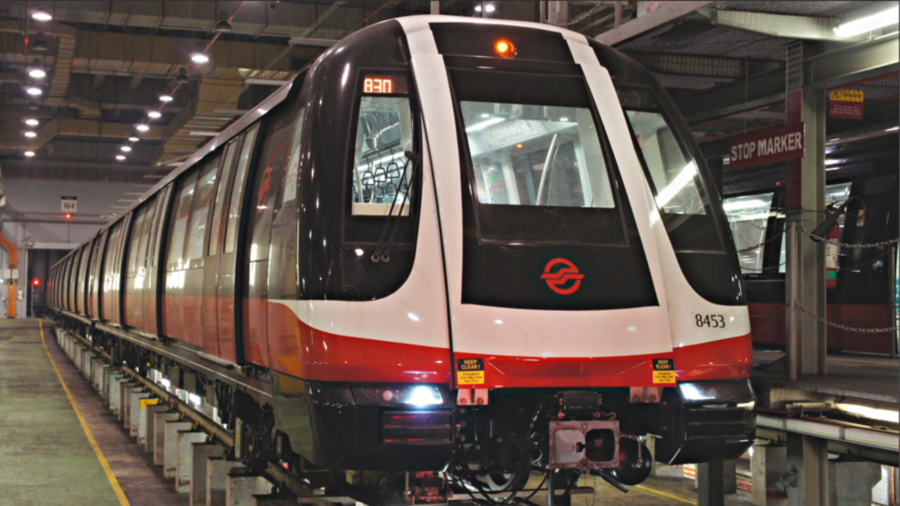
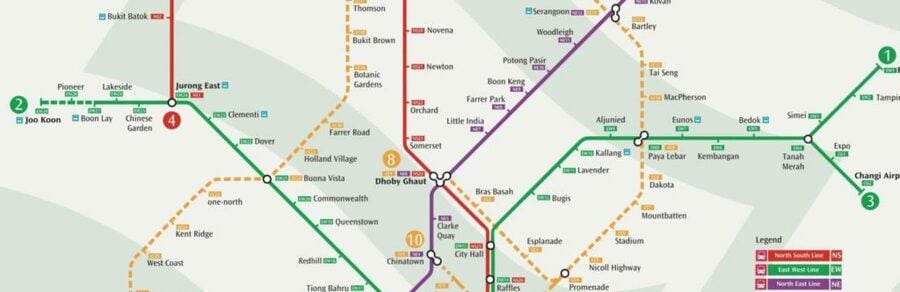
The new trains in Singapore are part of Land Transport Authorithy`s efforts to enhance existing rail capacity for the coming years. Out of the 42 trains, 18 trains are aimed at the North East Line (NEL) of the network while the Circle Line (CCL) will receive the 24 trains. This will improve fleet capacity by 60-70% on both lines.
The Gantner Solution
Once train cars shipped to Singapore they carrry out testing before they put them in to operation.
Test Measurement and Control system from Gantner Instruments equipped with multi-channel analog input modules and Dynamic High Voltage input modules with high isolations for Train testing for the complete driverless metro system designed and constructed by Alstom which are operating on NEL (North East Line) and CCL (Circle Line) Railway lines. The Alstom Metropolis C830 are the second generation of communication-based train control (CBTC) rolling stock currently using in Mass Rapid Transit (MRT) lines to meet the growing demand of passengers in Singapore.
NEL (North East Line) project
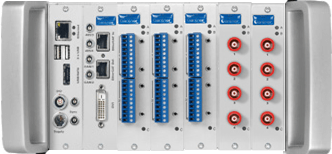
1 x Q.brixx station
1 x Q.brixx A101
2 x Q.brixx A107
2 x Q.brixx A128
CCL (Circle Line) project
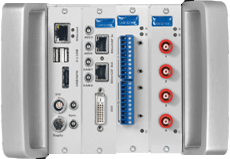
1 x Q.brixx station
1 x Q.brixx A107
1 x Q.brixx A128
Q.brixx station
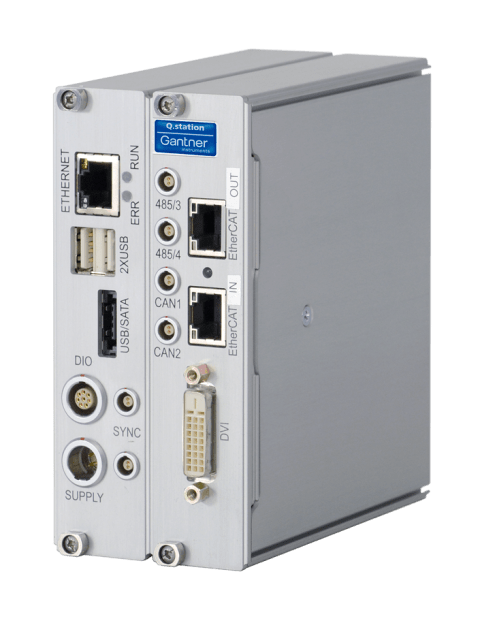
The powerful Q.brixx station is a programable test controller with logger functions.
Q.brixx A101
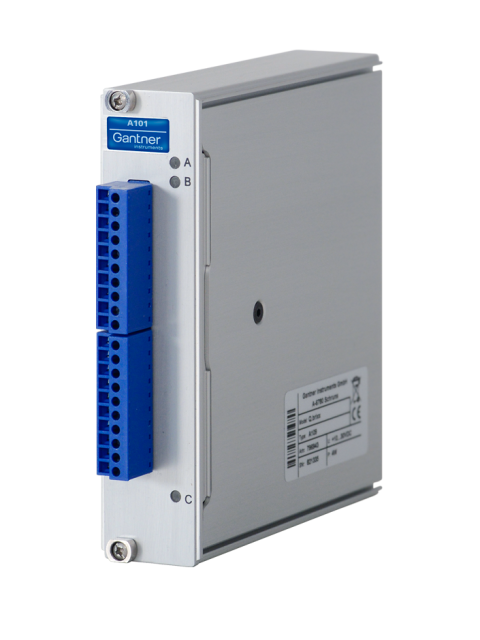
The Q.brixx module A101 with two universal inputs was selected for vibration measurement to provide fast high accuracy digitalization.
Q.brixx A107
The high density Q.brixx module A107 was selected to provide precise, isolated, noise free strain gage measurements.
Q.brixx A128
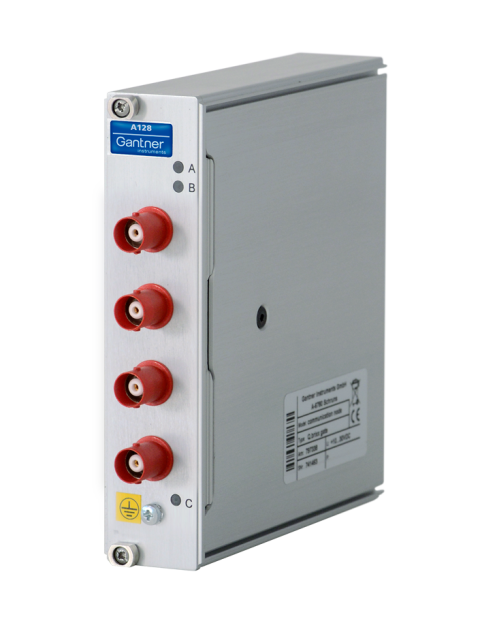
The Q.brixx module A128 with 4 galvanically isolated input channels was selected for high voltage testing.
More information about our products can be found in the product finder:

More articles
Wünderla ko
“Wünderla ko" on September 16, 2023 from 10 am - 4 pm along Montafonerstrasse 4-21 in Schruns.
Read more...SEDS Colossus Static Fire System Test Stand Unveiling
The SEDS-Students for the Exploration and Development of Space-organization at the University of California San Diego, recently held a launch gathering to unveil the final design and build of their Colossus static fire system test stand.
Read more...Innovation Call with CEO Werner Ganahl of Gantner Instruments
State funding for seven future digital projects The best digital innovation projects in Vorarlberg have been sought and funded. Seven projects are receiving a total of 130,000 euros in state funding.
Read more...Q.bloxx A105 CR Cryo Module with Extended Range
Cryo Technology is a rapidly growing market and therefore more and more new sensor kinds appear. A clear trend is that these cryogenic temperature sensors move to higher resistance. With Gantner’s cryo module – the Q.bloxx A105 CR – a measurement range of up to 25kohms is now possible. The module is available as standard DIN rail module, or as Q.brixx/Q.raxx with 4 times 4-pole-LEMO (ERA.1S.304.CLL).
Read more...