


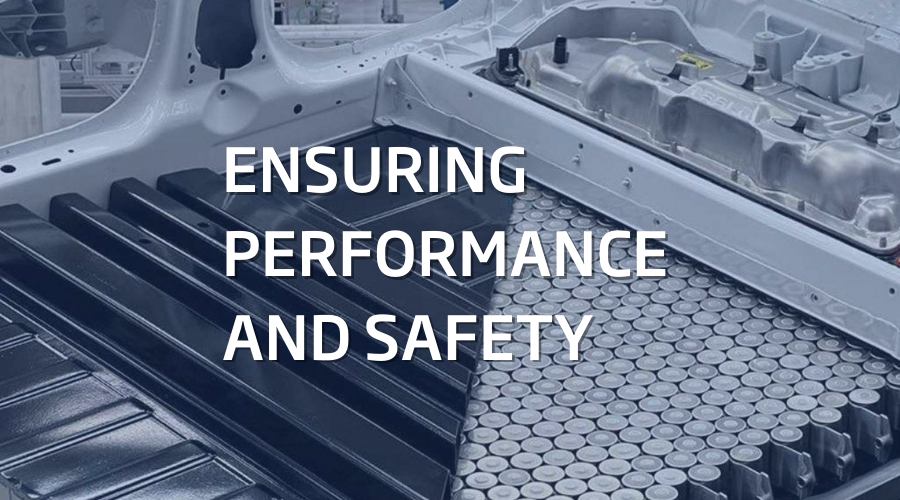
Why Battery Cell Testing Matters
Battery cells serve as the fundamental energy source in an EV, directly influencing range, charging speed, and overall reliability. If batteries are not rigorously tested, automakers and consumers face risks such as:
- Reduced Performance: Lower driving range and reduced energy efficiency.
- Safety Concerns: Potential for thermal runaway, fire hazards, or explosions.
- Shorter Lifespan: Accelerated capacity loss, resulting in premature replacements.
Comprehensive testing safeguards against these pitfalls and upholds both consumer confidence and regulatory requirements.
Key Aspects of Battery Cell Testing
Performance Testing
Performance testing determines the cell’s capacity, energy density, and power output under various conditions. By simulating real-world scenarios—such as rapid acceleration, frequent charging, and extreme ambient temperatures—engineers can evaluate how well a cell will function throughout its expected life cycle.
Safety Testing
Safety is the top priority for automotive batteries. Cells are tested by overcharging, short-circuiting, and mechanical impact, pushing them to their limits. Thermal testing, in particular, examines how cells respond to high temperatures and identifies the risk of thermal runaway.
Durability and Lifecycle Testing
EV batteries may endure thousands of charge-discharge cycles over their operational life. Lifecycle testing measures how performance and capacity degrade over time, allowing engineers to predict product longevity and schedule preventive maintenance.
Environmental Testing
Batteries must perform reliably across diverse climates, from freezing temperatures to scorching heat. Environmental tests assess the impact of temperature shifts, humidity, vibration, and other external factors to ensure that batteries remain consistent and safe, regardless of location.
Compliance and Regulatory Testing
Worldwide standards such as UN 38.3 and IEC 62660 govern the safe handling, transport, and operation of automotive batteries. Compliance testing verifies that cells meet these regulatory benchmarks, safeguarding public safety and streamlining global distribution.
Advantages of Gantner Instruments Technology
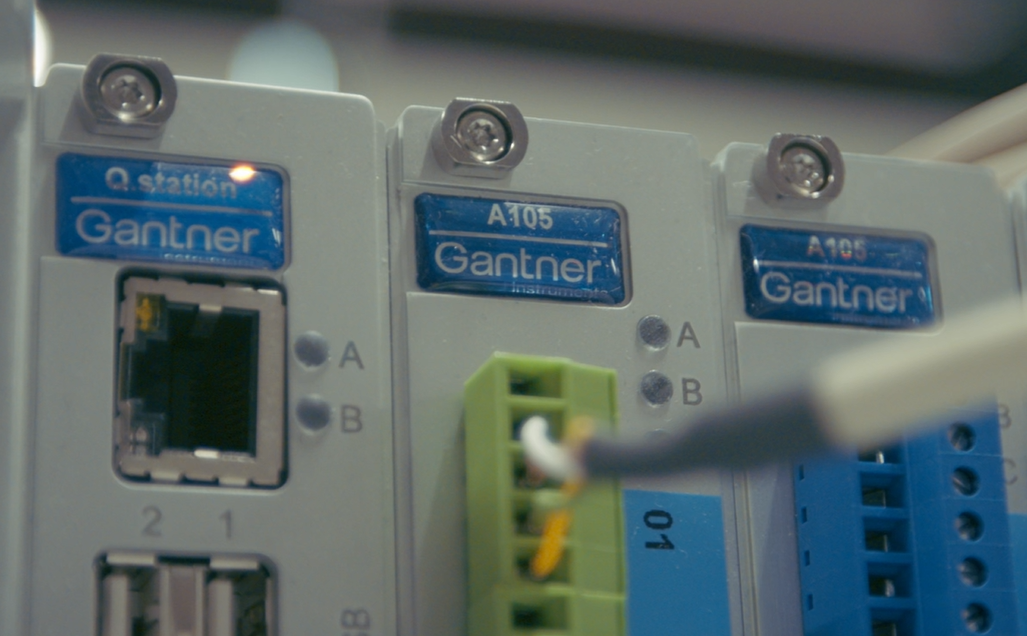
Gantner Instruments offers advanced solutions specifically designed for battery cell testing. Our technology provides:
- High Precision and Accuracy: Obtain extremely precise measurements for a trustworthy view of battery performance.
- Scalability: Scale seamlessly from single-cell testing to complete battery pack analysis with modular, adaptable systems.
- Real-Time Monitoring: Monitor data in real-time as it’s collected and visualize it instantly, enabling timely decision-making.
- Robustness and Durability: Our hardware is engineered for demanding automotive environments, ensuring reliability under harsh conditions.
- Integration Capabilities: Gantner’s systems easily integrate with existing test setups and software, reducing deployment challenges.
Gantner Instruments’ solutions streamline battery development, mitigate risks, and bring EVs to market faster.
The Future of Battery Cell Testing
Rapid advancements—such as solid-state batteries, faster charging protocols, and novel battery chemistries—are reshaping testing requirements. Looking ahead, emerging tools like digital twins, predictive analytics, and enhanced simulation will play larger roles in validating battery performance. Collaboration among automakers, battery producers, and regulators will remain essential, ensuring that global standards evolve alongside technological breakthroughs.
Battery cell testing stands at the core of EV advancement, guaranteeing the safety, performance, and longevity that consumers expect. As the automotive sector continues to innovate, maintaining robust testing protocols will further reinforce consumer trust and drive widespread electric mobility. Whether you’re an automaker, battery supplier, or simply interested in EV technology, staying informed about the latest testing innovations is key to powering the future of transportation.
Watch and Learn: Battery Testing in Action
Discover more about advanced battery cell testing in the automotive industry. Watch our detailed video on YouTube for insights and best practices.
Learn more about the MUNICH BATTERY LABS by VISPIRON SYSTEMS and how the service provider makes e-cars more efficient.
More articles
Mercedes GLC 350e plug-in hybrid – Photo Session in Schruns
Daimler used our company building in Schruns as the backdrop for the photo shoot for this year’s world premiere of the Mercedes-Benz GLC 350e plug-in hybrid.
Read more...Integrated Video and Data Logging – Enhanced Context and Analytical Depth with GI.bench
When analyzing measurement data, numbers alone often leave unanswered questions, particularly during unexpected events. GI.bench solves this challenge by integrating synchronized video recording directly with your measurement data, providing powerful visual context and significantly enhancing analytical clarity.
Read more...Gantner delivers DAQ for Open Rotor Engine
Gantner Instruments has delivered its Q.series data acquisition system for a major research programme exploring Geared Pusher Open Rotor engine designs, with the goal of achieving a 20% reduction in fuel consumption and CO2 emissions.
Read more...The importance of modern data management
A new study by Gantner Instruments shows two opposing trends: aircraft structures are becoming increasingly complex, whilst development times need to be shortened. Test engineers are continuous being pressured to look for ways to reduce test time and risk.
Read more...